Contact: 07864 967555
Email: cosmoscounselling@gmail.com
Young Person and Adult Counsellor / Psychotherapist
Supervisor
Search Results
Search this site
268 results found with an empty search
- Why Go To School?
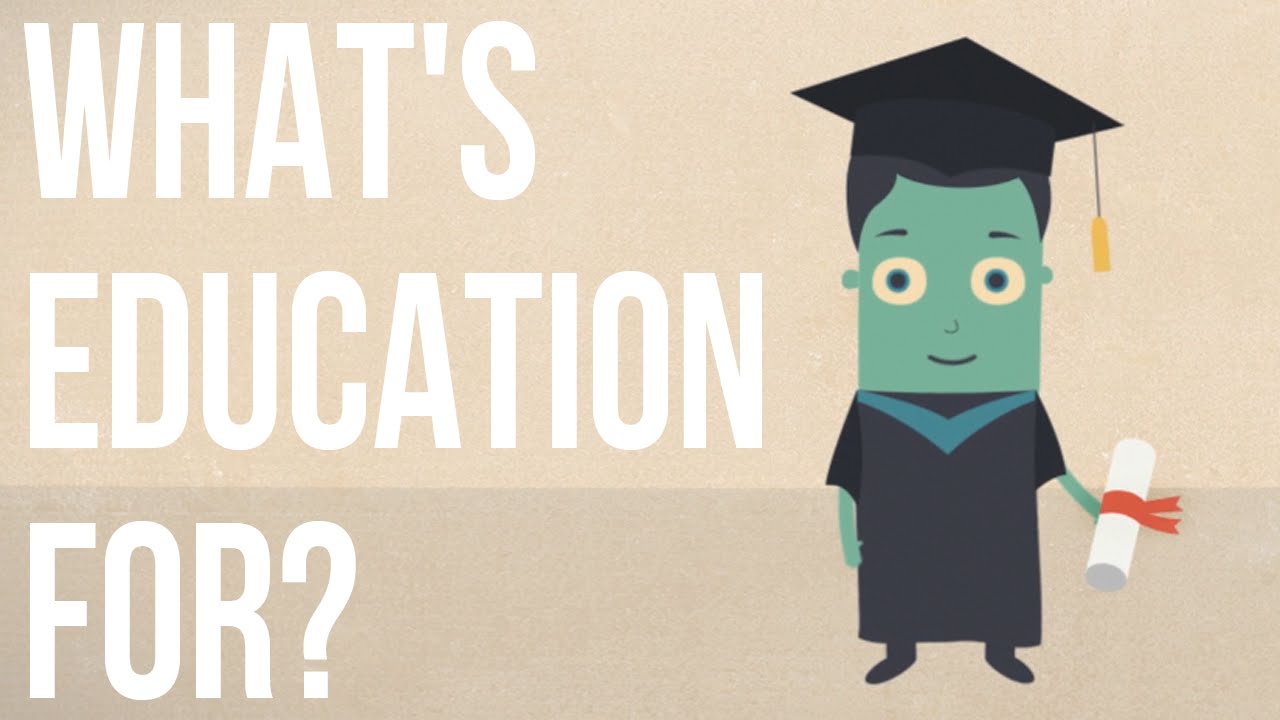
Many of us would agree that one of the greatest problems of our modern education system is that it doesn't focus on systematically preparing us for many aspects of the real challenge out there: Life itself. So what would you like to see? An increase in life skills? Critical thinking skills? Less spoon feeding? An emphasis on students choosing their own studies and less prescription? The School of Life challenges our perception of our current system.
- Who Are You?
What do you make of this short film from the creators of "The Gift"? When the man finds out and tells the girl the box is empty, she asks him to look again. The second time he looks, he understands that it was not a thing that she delivered. What she delivered was hope, love, gratitude and a sense of meaning to his life. It was that which moved the man and the realisation that his work had meaning - it impacted, helped, befriended and influenced a life. It was that realisation which motivated him to work again on his craft with heart and passion. Aren't we lucky to be able to watch these films free of charge?
- Writing as Process
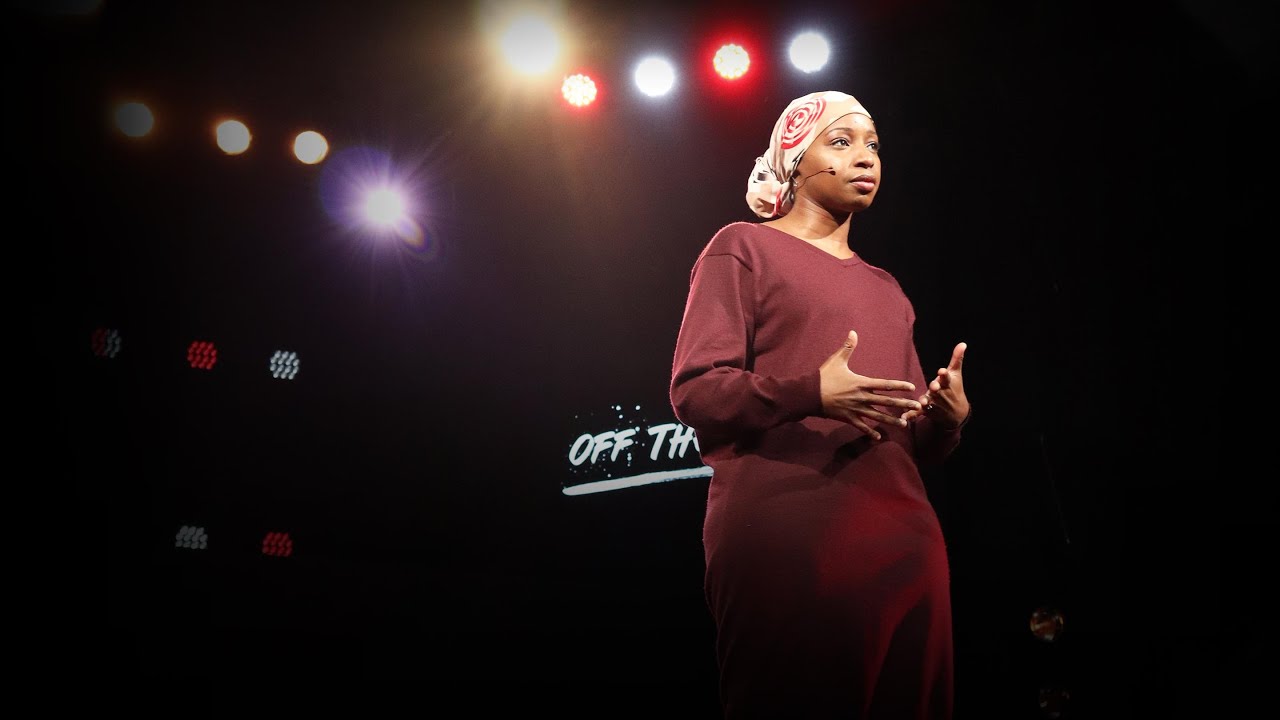
Have you ever seen or experienced something and wished you spoke out or recorded it somehow? Here writer Sakinah Hofler suggests writing as a tool to help us process difficult memories and reclaim the power they may hold. Writing can be a very powerful way of exploring our experiences. Why not try picking up a pen or grabbing a keyboard and follow along as Sakinah explains how to unburden our mind and inspire reflection. What do you notice from your writing?
- Refugee or Migrant?
Just to make it clear a migrant and a refugee are two different persons. The major disparity between a migrant and a refugee is that a migrant decides to shift to another place, w hereas, a refugee is a person who has been forced to leave their country . We say 'refugees' when we mean people fleeing war or persecution across an international border and we say 'migrants' when we mean people moving for reasons not included in the legal definition of a refugee. We hope that others will give thought to doing the same. Choices about words do matter. People don't leave their homes willingly. Sadly they are often very desperate, willing to risk their lives crossing the channel, dealing with people wishing to exploit them for their own ends. Do they really deserve being sent to Rwanda?
- Writing is Painting With Words
Voltaire once said, “writing is the painting of the voice (Penny, 2013).” That was over 300 years ago, and this has still not changed. Writers and authors use words to express the art that is in their minds and you can do that too. We can all use writing to express how we feel for no-one other than ourselves. Why not grab yourself some paper or a journal - The Works sell lovely A4 and other sized journals for less than £5, settle yourself down and have a play. Maybe a few words to describe a feeling, or write with a time boundary of just 5 minutes. If your feeling more adventurous, can you find a metaphor to describe how you feel? Or try writing a scene or story with yourself as a character. Writing in the 3rd person may be a way of gaining insight from a different perspective. Remember, what you are writing about is always more important than spelling and grammar. Why not give it a go?
- Give It Some Attention!
What do you think Henry Miller is talking about? Do you really notice the everyday objects that are all around you? Most of us are so busy in our heads, rushing onto the next thing that we miss what is around us - the beauty in everyday objects, the small worlds that may be present. Why not take a pause - grab yourself a glass of water, go out into an outside space and notice what is around you. Try focussing in on a flower, a leaf, a blade of grass, even a wall. What do you see? Maybe use your other senses - smell, listen, touch, even taste if it is appropriate. Give yourself permission to spend 5 minutes just noticing. If your mind wanders, which it does, bring it back to what you are observing. And breathe into it. Allow your body to relax into your 5 minute pause.
- How Are Your Roots?
What do you think this Chinese proverb means? Can we really forget our ancestors - those who lived before us? What purpose is there in finding out about our ancestry? Family History Provides Connections Your family tree can show you exactly how you are related to all of your ancestors. It may help to provide meaningful connections to your ancestors. Old photos, letters and diaries give you a window into what your ancestors were really like. Stories handed down from generation to generation about something an ancestor did can be fascinating. Family history is what makes a name and series of dates on a page into an actual real person who lived like you are doing now. Family History Reminds You Where You Came From Did you grow up speaking more than one language? Those languages were handed down by your relatives who speak it. Their parents, or grandparents, taught it to them. The foods you eat together, or during celebrations, are another reminder of where your family came from. You may have learned how to make grandma’s pasta sauce, or dhal, or apple pie. Family History is Good For Your Children Children love to hear stories about how their parents met, what their parents were like when they were children and the day-to-day life of their grandparents. These kinds of old family tales, passed down from generation to the next, provides context - to know who you are and where you fit into the world, you need to know where you came from. Family history can break the cycle transgenerational trauma. Family History Informs Your Health Choices Families which recognise that heart disease runs in their family can seek medical advice about how to avoid it. Families that have a genetically inheritable disease in their genes can encourage younger generations to get tested for it. Stories about how relatives managed with a particular disease or condition may enable hope to those who have it, too. We may not enjoy talking about the diseases or conditions that caused the death of our relatives and ancestors, it is, nevertheless, important to do it. Family History Encourages Compassion Children who understand that their ancestors were immigrants may feel compassion towards their peers who are recent immigrants. Young people who know which countries their ancestors came from may empathise with the people who live in that country today and who are in challenging situations. Knowing your family history can help you understand and accept people who aren’t part of your family tree.
- What Did You Learn At School?
What did you learn at school? Maths and English? Develop your sporting skills? Make friends and taunt the teachers? Did you learn anything else? How many of us quickly realise that we like the pat on the head, the praise, the A+? How did it feel when you didn't do so well like the time you got 3 out of 20 for a spelling test? I was 8 and it was my first ever test. I can still remember it and the embarrassment / shame I felt. What about authority? The teachers and the Headteacher, even the prefects. There is a strict hierarchy in schools. When were you free? Exercise your freedom? I wonder what other 'conditions of worth' you learnt from your school experience?
- Feeling SAD?
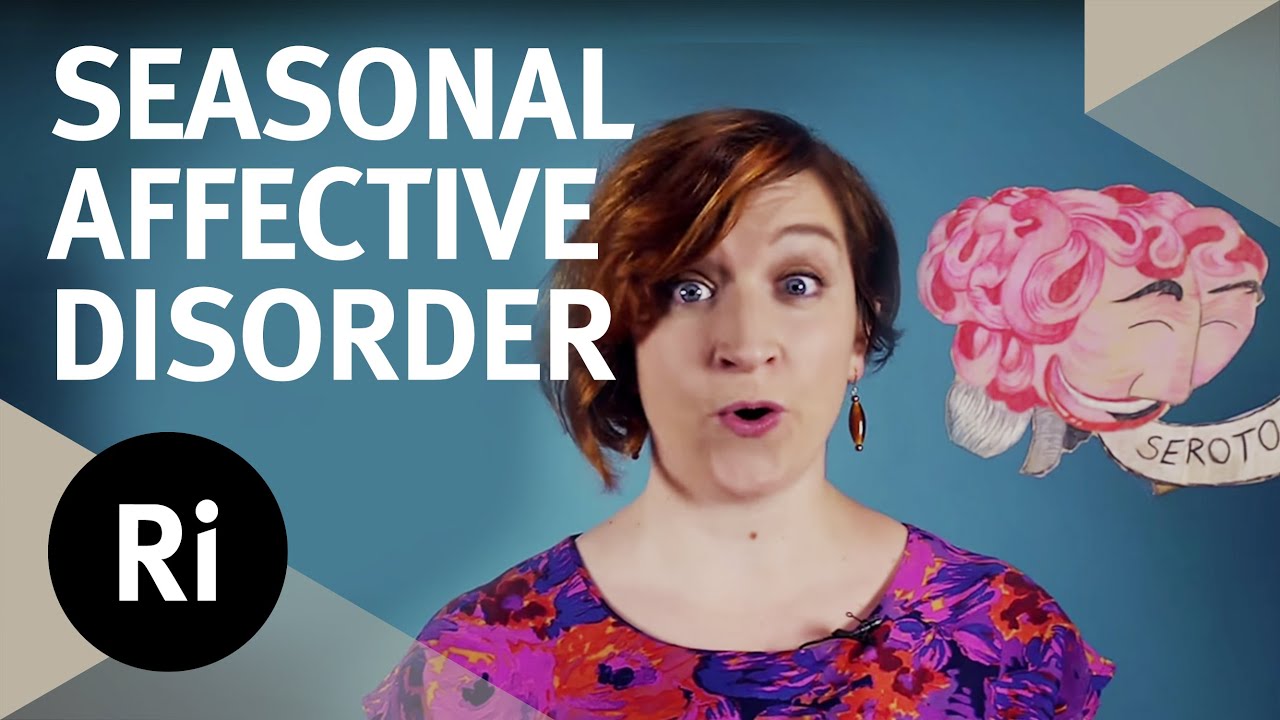
Ever wondered what Seasonal Affective Disorder actually is? Or if it’s even a real thing? What causes it? Kate Mulcahy discusses sudden changes in hormones and light intensity to explain why winter makes us SAD. It’s perfectly normal for people to gain energy and perk up at the beginning of summer as the appearance of the sun marks the end of a long winter. For some people, however, changing seasons can have such a huge impact on their mood that they are said to be suffering from Seasonal Affective Disorder, or SAD. SAD involves the effects of depression either developing or worsening during the wintertime and it is thought to be caused by the change in light intensity as the number of daylight hours decreases in the colder months. This is due to the change in the environment causing an imbalance in the hormones that control our mood. Different people react differently to this change, consequently there are the small amount of people that suffer from SAD. This could be partly due to our ancestors hibernating in winter months. But, not to worry; if it all gets too much, just move to Arizona, the sunniest place in the world. This film is part of a series that provides the blueprint for a scientifically perfect summer. From sweating to hay fever, insects to jet lag, Kate helps us plan summer to perfection! The videos are a summer survival guide certified by science. Subscribe to keep up each week: http://bit.ly/RiSubscRibe References: Kurlansik, S.L. and Ibay, A. D. (2013) Seasonal Affective Disorder. Indian Journal of Clinical Practice. 24(7): 607-610 Revell, V.L. et al (2006) Advancing Human Circadian Rhythms with Afternoon Melatonin and Morning Intermittent Bright Light. The Journal of Clinical Endocrinology & Metabolism 91(1): 54-59 Wehr, T.A. (1997) Melatonin and Seasonal Rhythms. J Biol Rhythms 12: 518-527 http://www.currentresults.com/Weather... Music: Vivacity by Kevin MacLeod (incompetech.com) Licensed under Creative Commons: By Attribution 3.0 http://creativecommons.org/licenses/b... Mining by Moonlight by Kevin MacLeod (incompetech.com) Licensed under Creative Commons: By Attribution 3.0 http://creativecommons.org/licenses/b...
- Round and Round We Go!
Insecure relationships are “a recipe for a lot of pain,” according to Dr. Amir Levine so it is important relationships are secure. With around 50% of us having a secure attachment style, anxious-avoidant or insecure relationships are surprisingly common. This doesn’t necessarily mean that partners in insecure relationships don’t love each other. They often love each other a lot. The problem is that in an anxious-avoidant relationship, there tends to be a sense of “stable instability.” These relationships have a lot of conflict due to a reinforcement of each other’s insecurities. The avoidant partner may think, “Oh, my partner is needy,” but what they don’t understand is that it’s not their partner. It’s a pattern that is being created between two people that make it this way. It’s a never-ending cycle. When the avoidant partner senses a threat, such as their partner getting too close, they deactivate their attachment system and create distance. The anxious partner senses this distance as a threat, which activates their attachment system. So they become needy. Back and forth they go. The good news is we can learn to become more secure but first we need to discover what our attachment style is.
- Understanding Your Behaviour
When two opposite attachment styles form a relationship, it can get addictive due to their push and pull nature. Avoidant people are the ones who push, anxious people are the ones who pull (or cling on.) When we don’t understand the cause of our behaviours and reactions, we may blame others. Understanding attachment in relationships is the key to changing our own attachment style. When we understand ourselves better, our relationships are healthier. We can communicate our needs more easily and take responsibility for our own happiness. It may take time to change our attachment style, but it can be done. Once you’ve experienced a secure relationship, why would you ever to go back?
- Keep it Safe and Non-Judgemental!
Natalie Rogers, Carl Rogers' daughter, took his person-centred ideas about creativity and developed them further. Being creative is an ideal way of exploring feelings - our emotions can be an excellent source of creative expression. We create to discover our inner essence. Expressing strong feelings can be part of the process so we give ourselves permission to look after ourselves.