Contact: 07864 967555
Email: cosmoscounselling@gmail.com
Young Person and Adult Counsellor / Psychotherapist
Supervisor
Search Results
Search this site
268 results found with an empty search
- Beltain at Butser
I am a great fan of marking Beltain and the changing seasons. When I was sent this video, I wanted to share it as I love the work Butser Ancient Farm do. So sit back and enjoy and if you spot me, let me know:-) It's Beltain! The original May Day festival celebrated in the Iron Age, and our biggest event of the year! Every year, we hold our Beltain Celtic Fire Festival to mark this ancient festival, complete with live music performances, morris dancing, incredible drumming, and of course the burning of a 30ft wickerman. We've been holding this celebration at Butser annually since the 80s, and this video captures the best bits of one of our favourite festivals -- 2022! To everyone who joined us, thank you for making this event so special 💚 We hope to see you at Beltain in the future! Butser Ancient Farm is an open-air experimental archaeology museum and active research centre, learning about the past by recreating it. Our experiments are world-renowned, and our buildings include a Roman villa, Celtic village, Stone Age farm, and Saxon halls — all reconstructed from real UK archaeology, and open to be explored! We do everything we can do share our passion for the past, from visitor opening and school groups to filming our experiments for bitesize documentaries! See behind-the-scenes of our experimental archaeology and help directly fund more research! For the price of a coffee, watch over 100 short documentaries and discover our ancient past. Visit http://www.butserplus.com to learn more!
- I Am Rediscovering Myself
Rediscovering yourself is a process of reconnecting with your true self and finding a sense of purpose and fulfilment in life. It involves exploring your inner self and identifying your values, passions, and goals. You can rediscover yourself by focusing on five domains of awareness (STEAM) and asking yourself a question to explore each domain: Sensations: What do you sense in your body? Thoughts: What are your thoughts? Emotions: What are you feeling? Actions: What are you doing? Mentalizing: What are you thinking about other people’s thoughts? By reflecting on these domains, you can expand and deepen your self-awareness, which may help you to feel a greater sense of inner well-being and offer direction for how to find personal fulfilment. Rediscovering yourself can also mean taking action to reconnect with the things you used to be passionate about and the goals you once had. Try taking an inventory of what is important in your life and changing your priorities accordingly. Rediscovering yourself can have many benefits such as: Increased self-awareness: Rediscovering yourself can help you to become more self-aware, which can lead to greater emotional intelligence and a deeper understanding of your thoughts, emotions, and behaviours. Greater sense of fulfilment: By reconnecting with your true self and identifying your values, passions, and goals, you can find a greater sense of purpose and fulfilment in life. Improved relationships: Rediscovering yourself can help you to develop a deeper understanding of yourself and others, which can lead to more meaningful and fulfilling relationships. Reduced stress: By gaining a greater sense of inner well-being and direction in life, you may experience less stress and anxiety. Increased creativity: Rediscovering yourself can help you to reconnect with your passions and interests, which can lead to greater creativity and innovation. In addition to these benefits, rediscovering yourself can also help you to develop greater resilience, improve your decision-making skills, and increase your overall life satisfaction.
- You Ok, Hun?
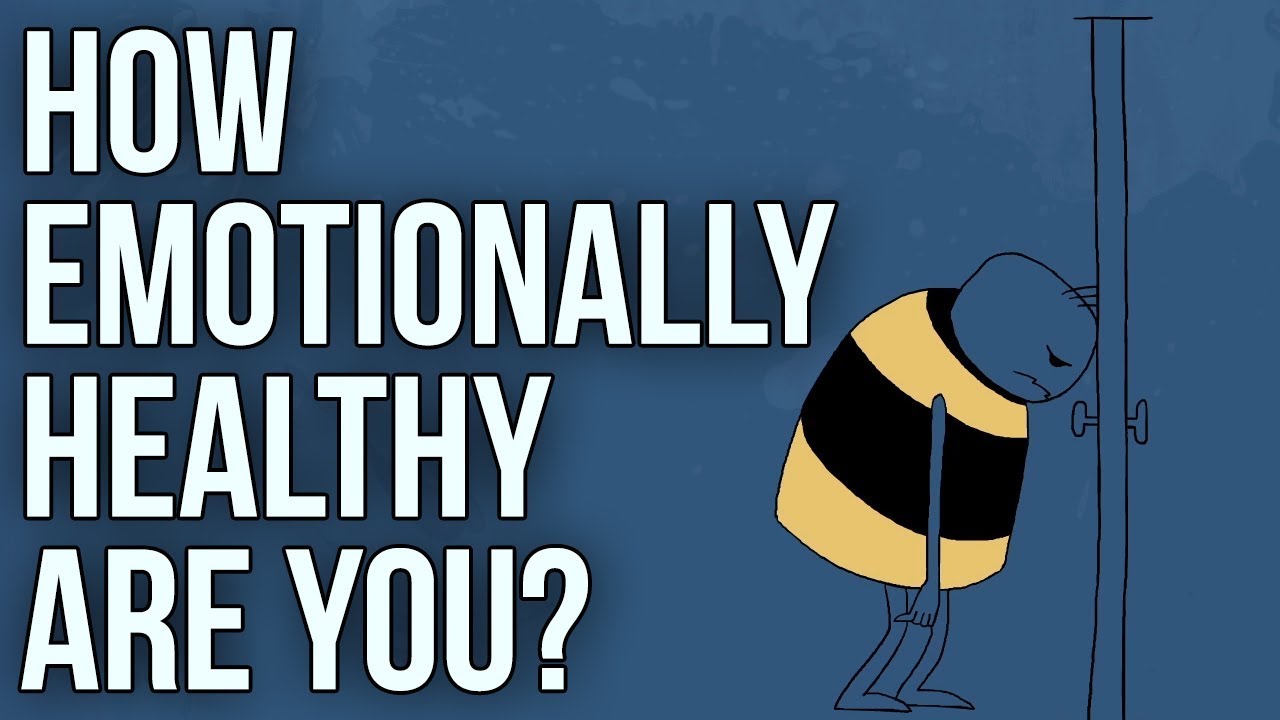
So, how is your emotional health? Emotional health is defined by four markers: our degree of self-love, of openness, of communication and of trust. Watch the wonderful film from the School of Life to interrogate your level of emotional health. It is important to check in with yourself. How is your self esteem? Prevention is far better than cure? FURTHER READING “One way to start assessing how badly we have been knocked by our early years – and where we might therefore need to direct most of our repair work and attention – is to identify a range of markers of emotional health and imagine how we fare in relation to them. At least four central ones suggest themselves…”
- Resetting the Vagus Nerve
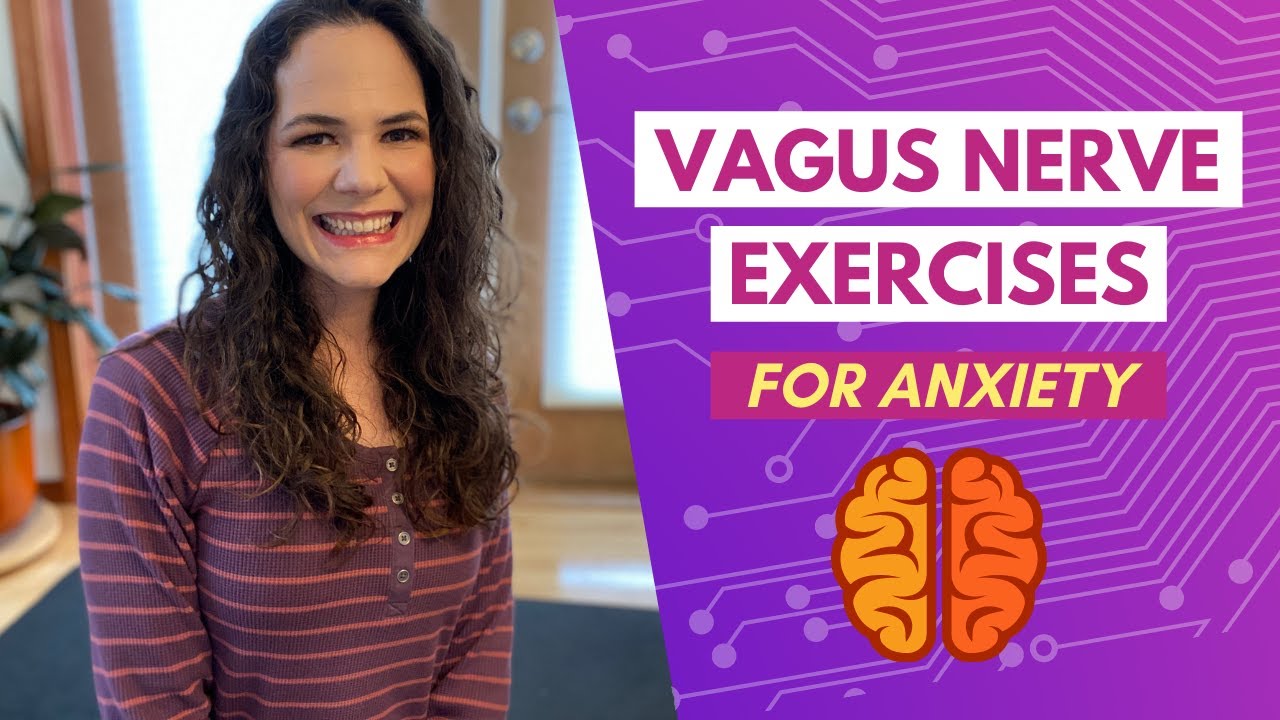
Vagus nerve exercises are good for us. They can help manage anxiety. Understanding the influence of the polyvagal nerve and our limbic system can help us breathe through our stress. In this video Sukie Baxter shows you three vagus nerve exercises to rewire your brain from anxiety. She also describes what anxiety actually is (and the surprising reason why it’s good for you) as well as what to do when anxiety hits.
- You've Got a Nerve, a Vagus Nerve!
The vagus nerve is a superhighway of communication between your brain and your body, affecting your mood, digestion, heart, and immunity. The vagus nerve, also known as the tenth cranial nerve or cranial nerve X, is the longest nerve of the autonomic nervous system which controls involuntary body functions. It is tasked with regulating critical body functions such as heart rate, blood pressure, breathing, and digestion. The vagus nerve carries motor and sensory information to different organ systems of the body, including: Cardiovascular system, including the heart and major blood vessels Respiratory system, including the lungs and airways Digestive system, including the throat, esophagus, stomach, and intestines It also provides sensory information to the skin and muscles which, in turn, stimulates reflex actions like coughing, sneezing, swallowing, gagging, and vomiting. The sensory information stimulates body functions like sweating, salivating, mucus production, and the urge to urinate. For those who do not have access to a VNS device or want a more natural approach to treatment, there are practices which may help manage autonomic dysfunction. These at-home treatments are thought to stimulate the vagus nerve by slowing the heart rate and reducing emotional stresses that can trigger or worsen vagus nerve disorders. Examples include: Deep breathing exercises: Slow, conscious breathing is thought to stimulate the vagus nerve, not only improving heart rate and blood pressure but also easing digestion.7 Mindfulness exercises: These include practices like yoga and tai chi in which respiration is synchronized with body movements. Some studies suggest such practices can improve vagal nerve tone, leading to a slower heart rate and lower blood pressure. Foot reflexology: This massage-based practice has been shown to slow heart rate and respiration, lower blood pressure, and increase oxygen saturation, suggesting that it positively stimulates the vagus nerve. Music therapy: It is thought certain types of music can positively influence moods and elicit a beneficial autonomic response. This may be especially true with low-frequency sounds delivered with slow, rhythmically structured music. Cold-water immersion: Facial immersion in cold water is thought to indirectly stimulate the vagus nerve. This is evidenced by the fact that, after the initial shock of cold, the heart rate will begin to slow. Open-water swimming may have the same effect. It is unclear whether any of these techniques directly stimulate the vagus nerve in the same way as electrical VMS, but each is known to trigger a positive physiological response that can help relieve stress and improve moods.
- Attached to Your Phone?
A subject I get asked about regularly. Just how bad is phone addiction today? How does it impact our young people and all of our relationships? How do you feel when someone you are engaging with keeps looking at their phone? I don't take my phone into sessions - every noise takes my attention including every vibration. Like Pavlov's dogs, we have respond to the sound... So, are you making others feel less important than a device? This video is from the Banca Mediolanum National Convention, May 2023. Simon is an unshakable optimist. He believes in a bright future and our ability to build it together. Described as “a visionary thinker with a rare intellect,” Simon has devoted his professional life to help advance a vision of the world that does not yet exist; a world in which the vast majority of people wake up every single morning inspired, feel safe wherever they are and end the day fulfilled by the work that they do. Check out his other videos.
- Smart or Stupid?
Cell phone addiction, also known as smartphone addiction, is a nonclinical term used to describe problematic phone use, or excessive phone use that interferes with health or daily life. According to recent research, an estimated 10 to 20 percent of people report feeling addicted to their phones, and experiencing distress or impairment as a result. compulsive phone use: when a person feels compelled to use their cell phone in excess nomophobia: fear of going without your phone textaphrenia: fear of being unable to receive or send texts The existence of cell phone addiction is a topic that has been hotly debated by mental health and addiction experts. It is not currently recognised as a type of disorder or addiction. However, there are reports of compulsive cell phone use, particularly with smartphones. You might have a cell phone problem if you: spend the majority of time on your phone (outside of work or academic use) experience significant distress or impairment as a result of your phone use have unsuccessfully tried to limit phone use neglect friends, family, and other relationships due to phone use frequently feel your phone alerting you when it’s not (i.e. phantom vibrations) continue to use your phone in excess despite negative effects on health, work, academic performance, or relationships feel unable to reduce or control phone use There is help. Seeking support from a qualified and experienced counsellor or psychotherapist is a beginning. Check: | BACP or Counselling Directory - Find a Counsellor Near You (counselling-directory.org.uk)
- Remember To Be
I’ve been working on being present in whatever I’m currently doing. As someone who is generally very busy and likes to pride myself on being a great multitasker, just being present can be a challenge. When undertaking a routine task, I’m often checking my phone, reading something, assessing my to-do list or schedule mentally, or thinking about what I’m going to do next. This is so inefficient and also draining on your brain and l eads to feeling stressed, exhausted and overwhelmed. Taking away multitasking, there is huge value in just pausing - breathing, being still, and being present in the moment. It’s restorative, relaxing and healthy. Yes, it is challenging but it’s something I value and aim to do regularly throughout the day. I encourage you to work on it, too – whether it’s methodically single-tasking, consciously reminding yourself to be present, meditating, or anything else, try to be present this week. Try sitting with your tea or coffee and bring your mind into the present. Yes, minds wander so bring it back to the present when you become aware of it wandering off. Like a muscle, it get's easier and stronger and more effective, the more often we do it. It is a practise. Remember … we are human beings, not human doings!
- What is Self-Harm?
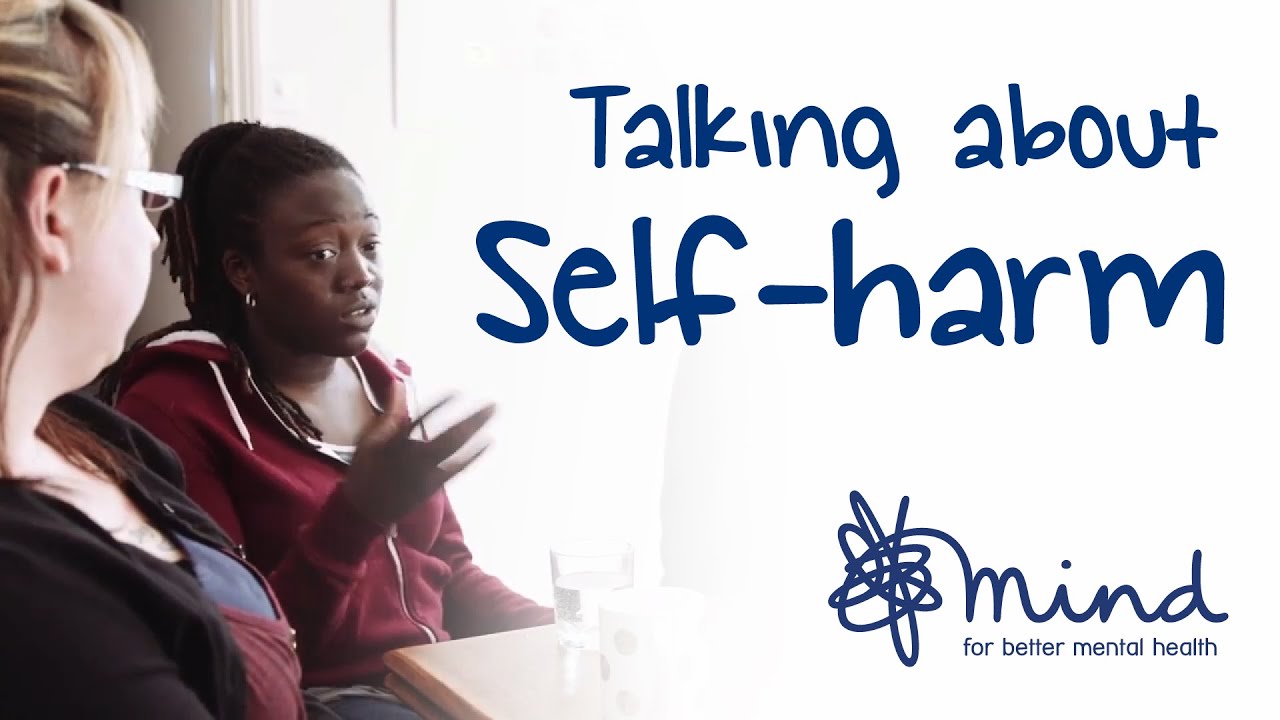
Zainab, Lechelle, Debbie and Ben talk about their experience of self-harm, what causes it, how it feels and how they think people can help. I came across this video from MIND on a recent Self-harm and Suicide training. There are various ways people can self-harm but how to stop it? For many, distraction can be a useful place to start: Different distractions work for different people, and the same technique won't necessarily work for you every time. As distracting yourself from fear is very different to distracting yourself from anger, it's important that you have a number of different strategies to choose from. The following are simply suggestions. Writing your own personal list of distractions that you've found helpful or that you would like to try out is a good idea. For Anger and Frustration: You could try: exercise hit cushions shout and dance shake tear something up into hundreds of pieces go for a run. Expressing your anger physically, or by doing things like shouting, won't work for everyone and could intensify feelings. Try things out and continue with any that have a positive effect. Sadness or Fear: You could try: wrapping a blanket around you spend time with a pet walk in nature let yourself cry or sleep listen to soothing music tell someone how you feel massage your hands lie in a comfortable position and breathe in – then breathe out slowly, making your out-breath longer than your in-breath. Repeat until you feel more relaxed. Check the Mindfulness or meditation blogs. A Need to Control: You could try: writing lists tidy up declutter write a letter saying everything you are feeling, then tear it up weed a garden clench then relax all your muscles. Numbness or Disconnection: You could try: flicking elastic bands or hair bands on your wrists hold ice cubes or bags of peas smell something with strong odour have a very cold shower. Shame: You could try: stop spending time with anyone who treats you unkindly recognise when you are trying to be perfect and accept that making mistakes is part of being human remind yourself that there are reasons for how you behave – it is not because you are 'bad'. Self-Hatred and Punishment: You could try: write a letter from the part of you that feels the self-hatred, then write back with as much compassion and acceptance as you can find creative ways to express the self-hatred, through writing songs or poetry, drawing, movement or singing do physical exercise (like running or dancing) to express the anger that is turned in on yourself. No-one can do this for you. This is the first step and only you can do it. Yes, there are others out there that can help and support you. Find out if there are counsellors at your school, college, university or work place. Maybe you have medical insurance that could help you. Check out if there is a counselling service near by - some offer low cost if money is an issue. Don't forget your GP too.
- Imperfection is Beauty!
American actress, Marilyn Monroe was also a model and singer. She is seen by many as an iconic figure. Many of her quotes are well known - about beauty, love, life, success. She is both inspirational and motivational. Marilyn, born Norma Jeane Baker, was born on June 1, 1926, in Los Angeles, California, United States, and died on August 4, 1962, in Brentwood, Los Angeles, California. Her husbands include James Dougherty (m. 1942–1946), Joe DiMaggio (m. 1954–1955) and Arthur Miller (m. 1956–1961). So, what is she saying here? Imperfection is beautiful! Genius could be seen as madness - who hasn't had a mad idea that turned out well? And ridiculousness gets remembered whereas playing it safe? If you don't want to be remembered, then no problem!
- Do Clothes Maketh The Man?
We all wear clothes. Even those of a nudist or naturist persuasion, have to wear clothes some of the time. So, the clothes we choose to wear constitute some of our most crucial and carefully chosen lines of autobiography. They say a lot about us whether it be style, colour or combination. The wonderful School of Life examine why our clothes matter. Let's face it, fashion is a huge industry, and we can have a lot of fun playing dress up! "Once, we were all dressed by someone else. Parents picked out a T-shirt; the school dictated what colour our trousers should be. But at some point, we were granted the opportunity to discover who we might be in the world of clothes. We had to decide for ourselves about collars and necklines, fit, colours, patterns, textures and what goes (or doesn’t) with what. We learnt to speak about ourselves in the language of garments. Despite the potential silliness and exaggeration of sections of the fashion industry, assembling a wardrobe is a serious and meaningful exercise." You can read more on this and other subjects on the School of Life blog, here: https://goo.gl/l4eHTH
- Confidence Begins With A Smile
Interestingly, science is a little closer to understanding the brain chemistry behind our love of clothes, and as it turns out, our outfits may influence how we approach and interact with the world. Early findings from a study published on the Journal of Experimental Social Psychology's website, people who wore white coats that they thought belonged to doctors performed better on tests than those who were dressed in street clothes, or those who thought the coats were associated with artists. Their heightened focus was evident only when subjects actually put on the coat in question, not just when they were in the same room. It’s no secret that putting together an outfit is like selecting social armour, and that what we wear has influence over others - if there weren’t truth to the cliché “lady in red,” designers wouldn’t be making so many scarlet dresses! This study, however, demonstrates if you have a strong cultural association with an item of clothing, wearing it can affect your cognitive processes. This phenomenon is called 'enclothed cognition', meaning that if your brain links Armani or Paul Smith collections with powerful, intelligent women, you’re likely to take on those attributes when you wear that beautifully cut suit or quirky, tailored jacket.